



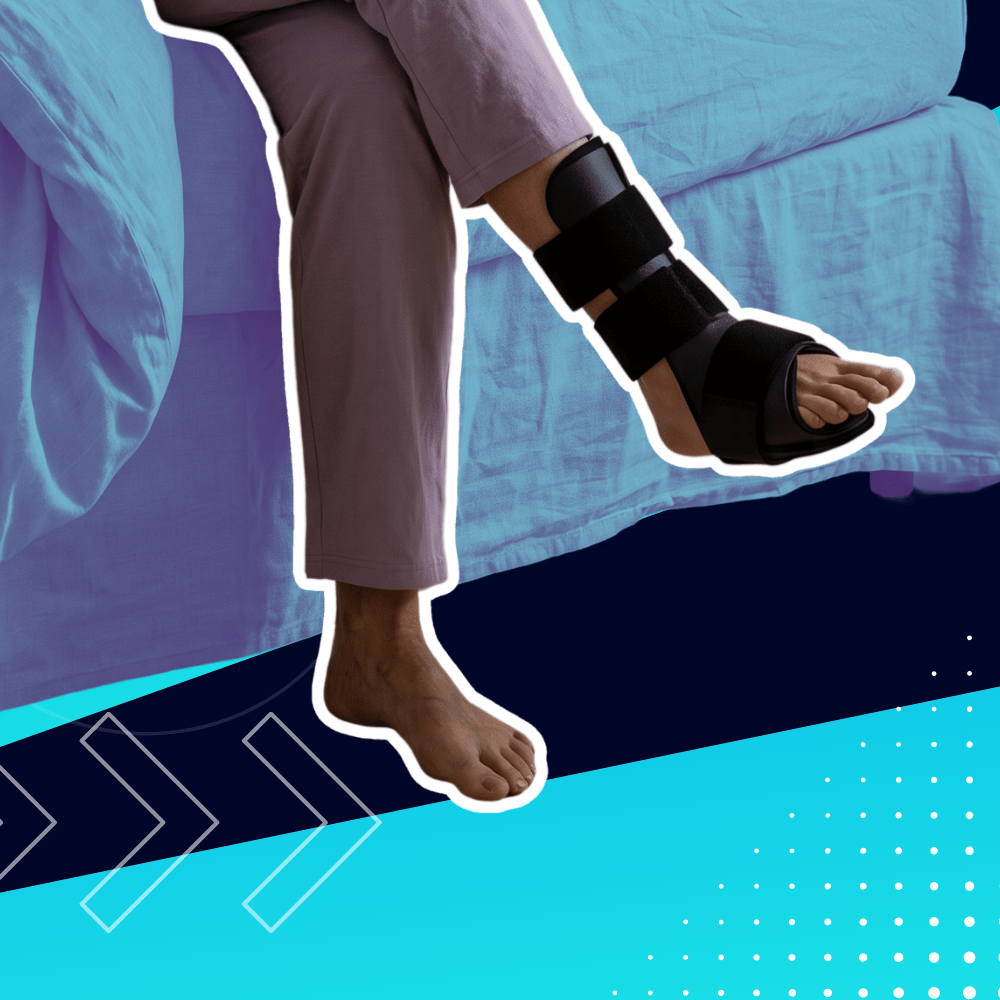
A plantar fasciitis night splint keeps your foot from pointing downward while you sleep, which may ease heel pain when you take your first steps in the morning. If you wake up with that sharp first-step pain most days, the right night splint can take the edge off it while the rest of your plan does the heavier lifting.
That plan matters. A night splint works alongside daily plantar fasciitis stretches and exercises and the other plantar fasciitis home remedies that get you walking comfortably again. It is not a replacement for them.
Here is a quick summary of our top picks before we look at each design.
The 5 Best Night Splints for Plantar Fasciitis
Dr. DeMatas picked these five across the three designs people actually keep wearing: a dorsal splint, posterior boots and a soft sock. Each one gets a short note on why it made the list, the product’s own description, and who it does and does not suit. Prices and ratings come from Amazon and update on their own.

“The evidence for night splints isn’t strong, but patients of mine have told me it helps. As someone who suffers from heel pain, I know the first few steps in the morning are often the worst. I recommend stretching, physical therapy and the right shoes first; a splint is something you add to that, not a replacement for it. And comfort can’t be underestimated when you’re trying to get a good night’s sleep.”
Cramer Dorsal Night Splint (Best Dorsal Splint)
We picked the Cramer as the dorsal splint because it solves the problem that makes most people quit a night brace: bulk behind the heel. It sits on the front of the leg, so side and stomach sleepers tend to keep it on, and it is the one we point to first when a boot has already failed.

Vive Plantar Fasciitis Night Splint (Best Adjustable Boot)
We picked the Vive for the stretch wedges. Starting with no wedges and adding one, then two, as the calf loosens is the gentlest way into a boot-style splint, and it is the reason to choose this one over a fixed-angle boot.

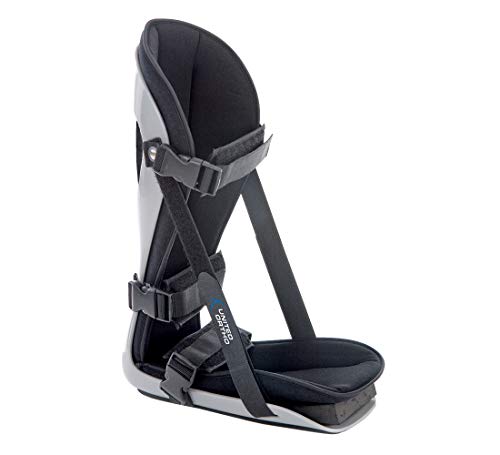
United Ortho Night Splint (Best Overall Boot)
We picked the United Ortho as the best overall plantar fasciitis boot for sleeping because the straps adjust across the widest range of the five. One brace covers you from the first tentative nights to a full stretch weeks later, and it costs less than the Vive.

Brownmed Nice Stretch 90 with Polar Ice (Best for Inflamed Heels)
We picked the Nice Stretch 90 for the heel that feels hot at night. The ice pack in the sole handles the inflammation while the fixed angle handles the stretch, and the treads make a trip to the bathroom less dicey than in a smooth-soled boot.

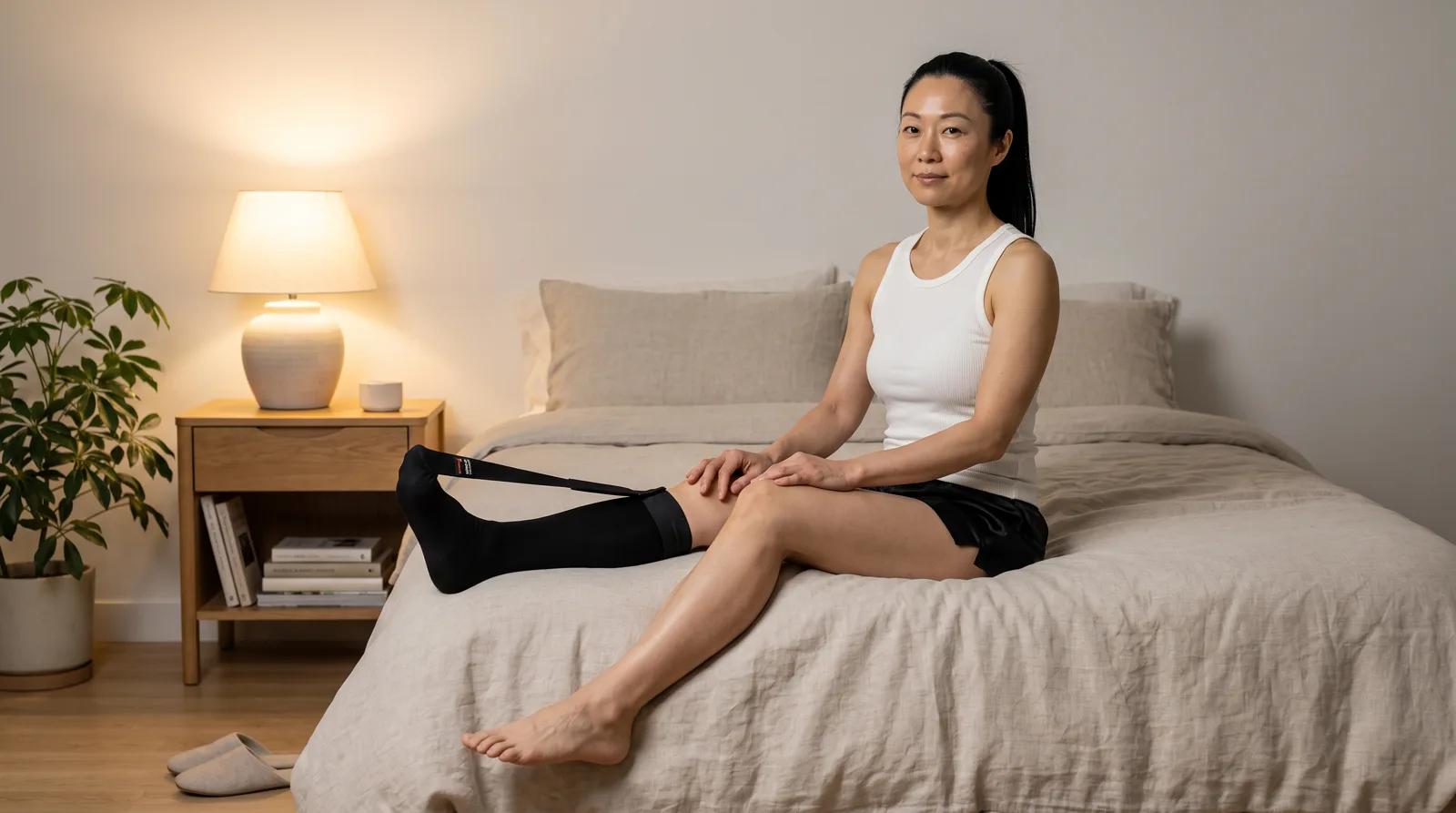
Strassburg Sock (Most Comfortable)
We picked the Strassburg Sock as the comfort option. It is the one for restless or side sleepers and anyone who has pulled a hard brace off at two in the morning, because there is no shell to fight with, just a strap holding the foot up.

Dorsal vs Posterior Night Splints
Choosing between a dorsal night splint and a posterior boot usually comes down to what you can sleep in. A brace with a stronger stretch does nothing if you kick it off at two in the morning.
Dorsal night splint
Posterior night splint (boot)
Either way, follow the manufacturer’s instructions on whether the model is made to walk in before you head for the bathroom in it.
The sleep-position lines are fit suggestions, not study findings. What the research does say is that comfort decides whether people keep wearing the brace. A small 2012 pilot comparison of two night orthoses found that two-thirds of participants overall reported less morning pain and stiffness, while the posterior boot was more uncomfortable and disrupted sleep more than the anterior design.
Do Night Splints Work for Plantar Fasciitis?
Most people sleep with the toes pointed slightly down, which lets the plantar fascia and calf sit in a shortened position for hours. A night splint holds the ankle near neutral instead, so the tissue is not loaded cold when you stand up.
The 2023 APTA/JOSPT clinical practice guideline for heel pain recommends a 1- to 3-month program of night splints for people who consistently have pain with the first step in the morning. Stretching is a separate recommendation in the guideline, and insoles may be used alongside other treatments.
The trial evidence is more modest than the guideline grade suggests. A 2017 randomized trial of 40 people with chronic plantar fasciitis compared a structured home exercise program of stretching, strengthening and balance work against the same program plus a tension night splint. Both groups improved, and the splint added no statistically significant benefit. The stretching is the engine; the splint is the overnight helper.
In a 2020 systematic review of 43 studies and 2,837 patients on mechanical treatments, some studies found that combining a night splint with insoles improved pain and function, but results varied. It is reasonable to support the arch during the day with plantar fasciitis insoles and the best shoes for plantar fasciitis.
A 2023 systematic review of three randomized trials concluded that night splints may improve pain and function, with the caveat that all three trials carried a high risk of bias. Taken together: worth using for first-step morning pain, as one part of a plan built around stretching.
How to Choose a Plantar Fasciitis Brace for Sleeping
Three things decide whether you will still be wearing the brace in week three.
Stretch intensity. A rigid boot with straps or toe wedges pulls the foot into deeper dorsiflexion. A dorsal shell or a soft sock gives a gentler hold. If you have never worn one, gentler is the safer start.
Fit and sizing. Boots are sized by shoe size and need the heel seated in the shell. The Strassburg Sock is sized by calf circumference. Measure before you order.
Heat. A full posterior shell wraps the calf and the sole and runs warm. If you sleep hot, an open-heel dorsal splint or a boot with a cool foam liner will last longer on your foot.
How to Wear a Night Splint
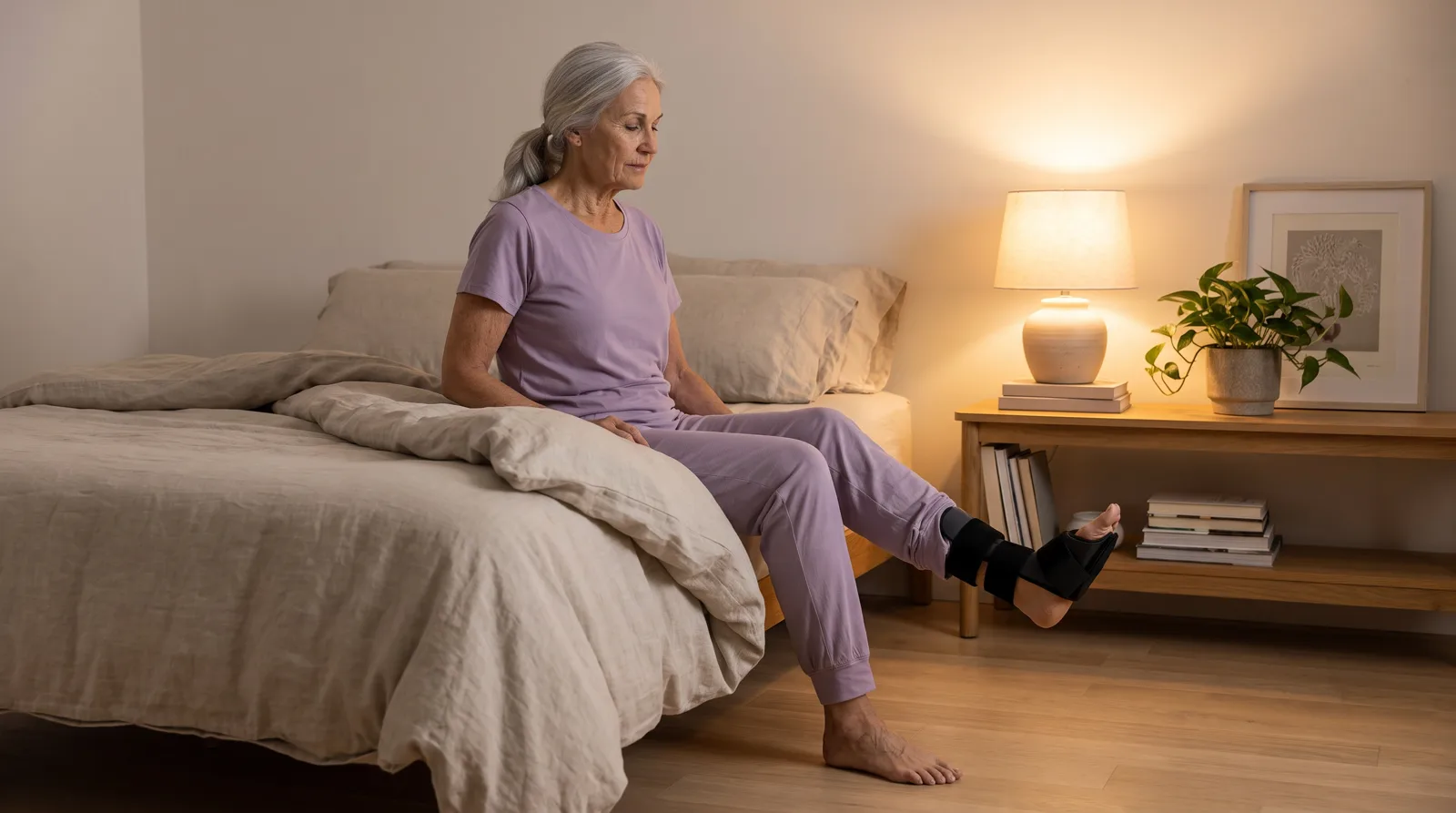
Start with short wear rather than a full night. An hour or two on the couch before bed, for a few nights, lets your calf get used to the sustained stretch. Then move to sleeping in it.
Keep the straps snug, not tight. The goal is a gentle neutral hold, not an aggressive stretch that wakes you up. If you get numbness or tingling in the toes, take the splint off. If it keeps happening, stop using it and check with a clinician.
Before your first steps out of bed, take the splint off and do a seated towel calf stretch and a crossover plantar fascia stretch. A few minutes of these plantar fasciitis exercises is the easiest habit to pair with the splint.
Plantar Fasciitis Socks for Sleeping vs Daytime
A soft sock-style splint like the Strassburg Sock uses a toe-to-shin strap to hold the foot in dorsiflexion overnight. Plantar fasciitis compression socks are a different product: they squeeze the arch for daytime support and do not hold the ankle at an angle. If you want something for sleeping, you want the former.
Frequently Asked Questions
Next Steps for Healthier Movement
A night splint is one piece of the plan. Daytime support from insoles and good shoes, and stretching every morning, are the rest of it. All the stretches that pair with a night splint are in the Sporty Doctor app, and the free plan gives you 10 exercises picked for you.
- Koc TA Jr, Bise CG, Neville C, Carreira D, Martin RL, McDonough CM. 2023. J Orthop Sports Phys Ther. Heel Pain – Plantar Fasciitis: Revision 2023. Clinical Practice Guidelines Linked to the International Classification of Functioning, Disability and Health. 53(12):CPG1-CPG39.
- Wheeler PC. 2017. BMJ Open Sport Exerc Med. The addition of a tension night splint to a structured home rehabilitation programme in patients with chronic plantar fasciitis does not lead to significant additional benefits in either pain, function or flexibility: a single-blinded randomised controlled trial. 3(1):e000234.
- Schuitema D, Greve C, Postema K, Dekker R, Hijmans JM. 2020. J Sport Rehabil. Effectiveness of Mechanical Treatment for Plantar Fasciitis: A Systematic Review. 29(5):657-674.
- Pereira Bendo AJ, Guimarães Barros MI, Flor Bertolini GR, de Carvalho AR, Buzanello Donin C, Buzanello Azevedo MR. 2023. Muscles Ligaments Tendons J. Night Splints in Plantar Fasciitis: A Systematic Review. 13(2):283-289.
- Attard J, Singh D. 2012. Foot Ankle Surg. A comparison of two night ankle-foot orthoses used in the treatment of inferior heel pain: a preliminary investigation. 18(2):108-110.
Dr. DeMatas practices holistic, evidence-based family medicine that focuses on treating injuries and transforming lives through prevention, rehabilitation, and diet. She is a licensed, practicing Physician in Jacksonville, FL.
